

Tunisia
Tunisia, country of North Africa. Tunisia’s accessible Mediterranean Sea coastline and strategic location have attracted conquerors and visitors through the ages, and its ready access to the Saharahas brought its people into contact with inhabitants of the African interior.
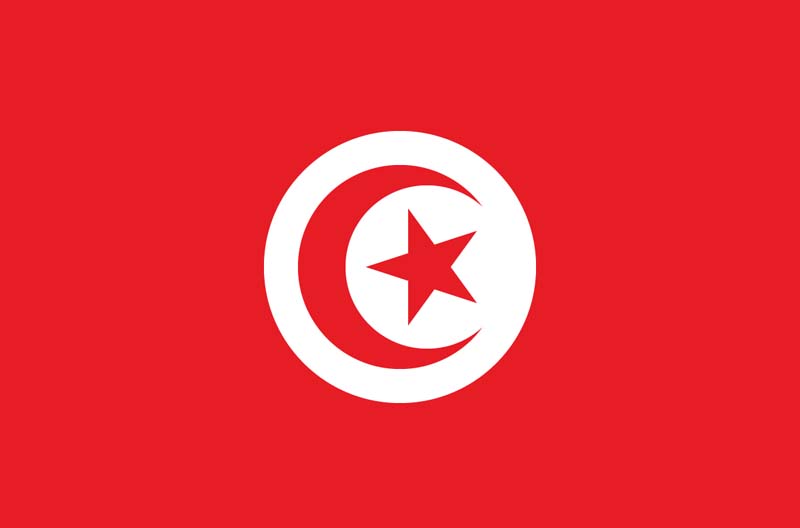
Tunisia, officially the Republic of Tunisia, is the northernmost country in Africa. It is a part of the Maghreb region of North Africa, bordered by Algeria to the west and southwest, Libya to the southeast, and the Mediterranean Sea to the north and east.
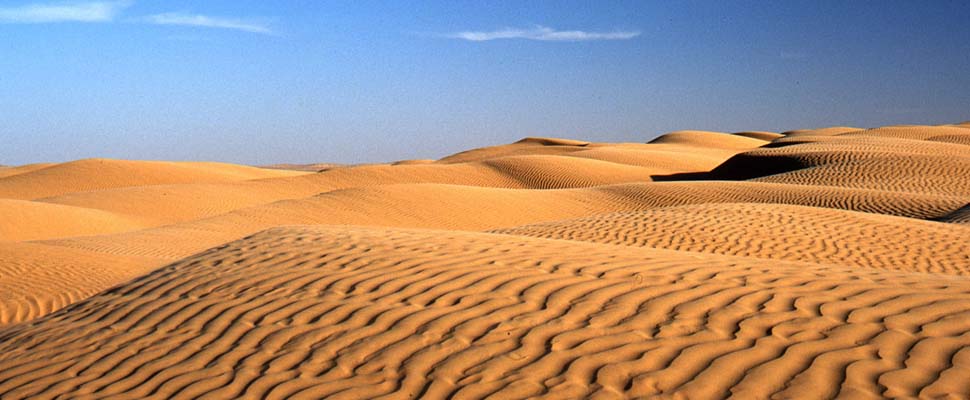
Heaven on Earth
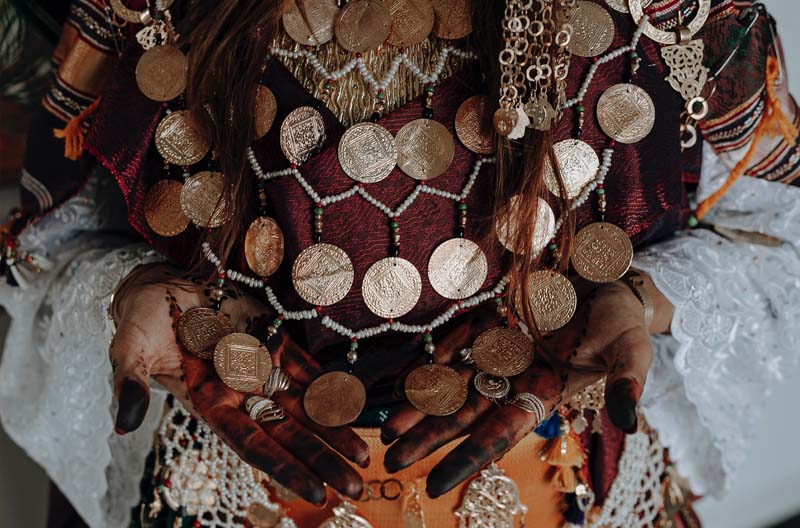
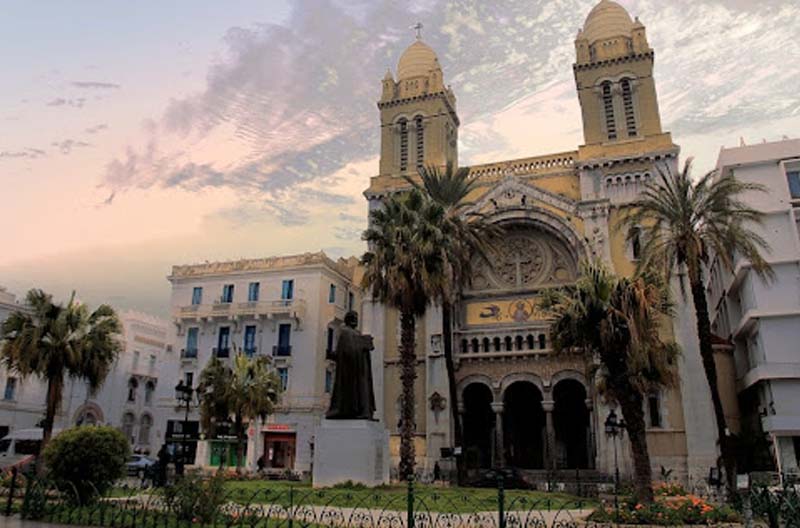
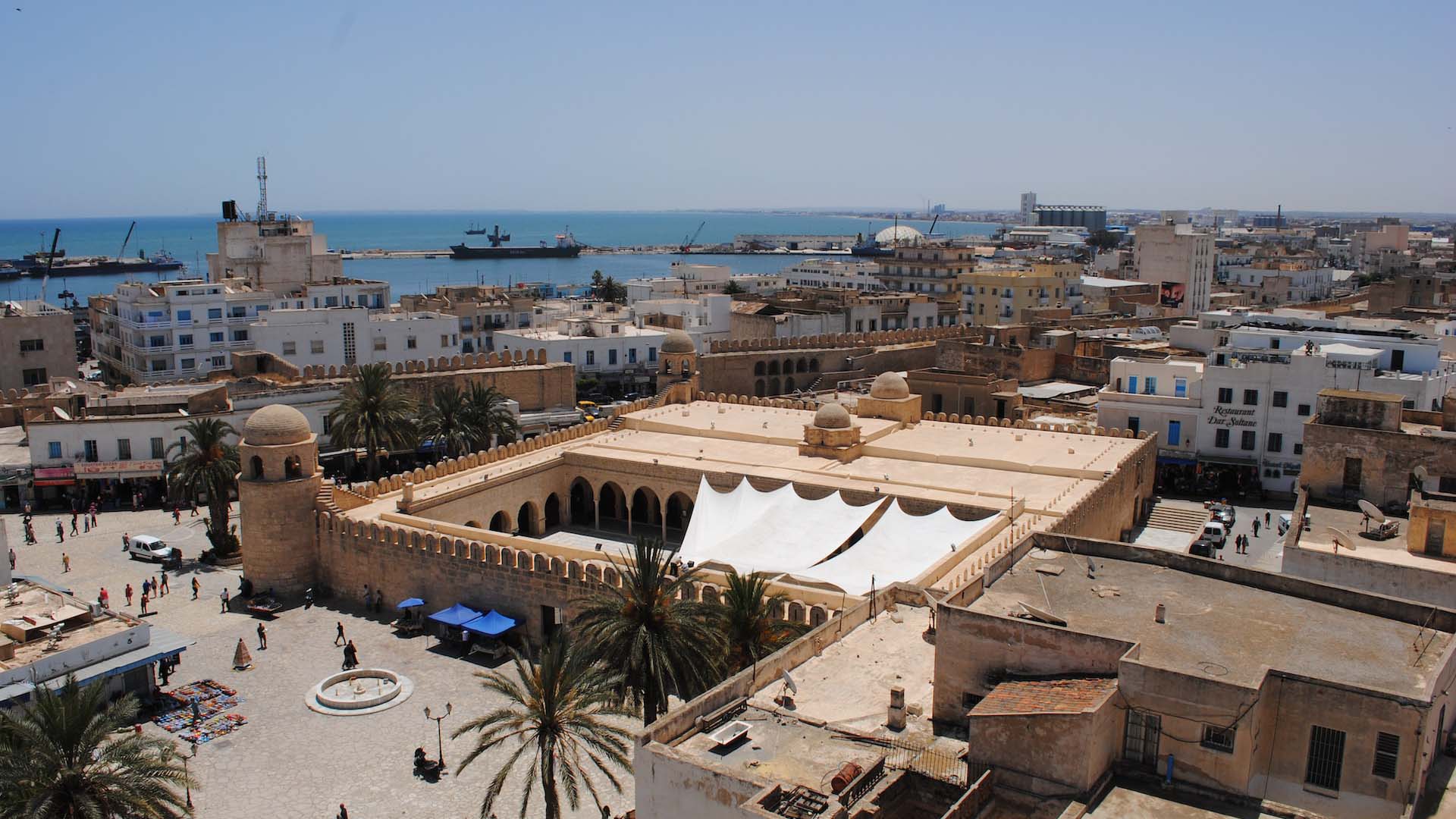
Tunisia’s culture is highly diverse, in part because of long periods of Ottoman and then French rule but also because populations of Jews and Christians have lived among a Muslim majority for centuries. Similarly, the capital, Tunis, blends ancient Arab souks and mosques and modern-style office buildings into one of the most handsome and lively cities in the region. Other cities include Sfax (Ṣafāqis), Sousse (Sūsah), and Gabès (Qābis) on the fertile coast and Kairouan (Al-Qayrawān) and El-Kef (Al-Kāf) in the arid interior.
Tunisia’s people are renowned for their conviviality and easygoing approach to daily life, qualities that Albert Memmi captured in his 1955 autobiographical novel Pillar of Salt:
This warmth, joined with the country’s renowned hospitality and cuisine, has contributed greatly to Tunisia’s growing popularity as a destination for tourists from throughout Europe and the Americas.
Good to know
Country
Tunisia
Visa requirements
Less than 90 days visits, British passport holders do not need a visa to enter Tunisia.
Languages spoken
Arabic
Curency used
Tunisian Dinar
Population
12.26 million (2021)
Municipalities
Tunisia has two tiers of subnational governments, made of 24 governorates and 350 municipalities.
Tunisia is a semi-presidential republic, whereby the President is the Head of State and is directly elected for a five-year term. Legislative power is held by a unicameral parliament – the Assembly of Representatives of the People – whose members are elected by universal suffrage for a five-year term. Since the 2010 revolution, the country has experienced major political changes. These changes subsided somewhat when a new constitution was drafted and then adopted in January 2014 by the Assembly, which had been created in October 2011. A new constitution was adopted by referendum in July 2022, after the drafting process of this country profile. The new constitution establishes a presidential regime.