

Gambia
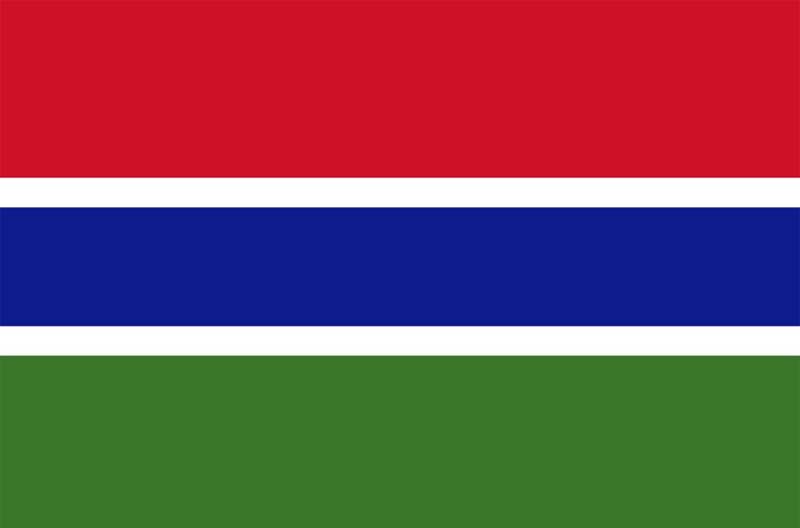
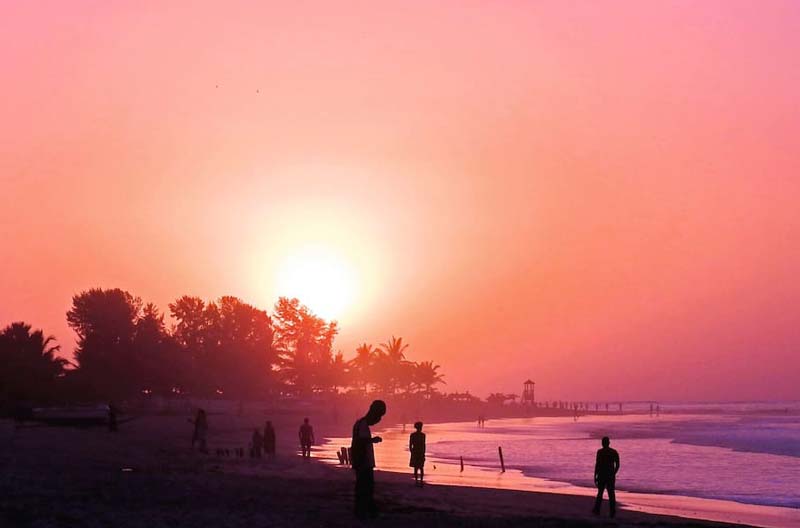
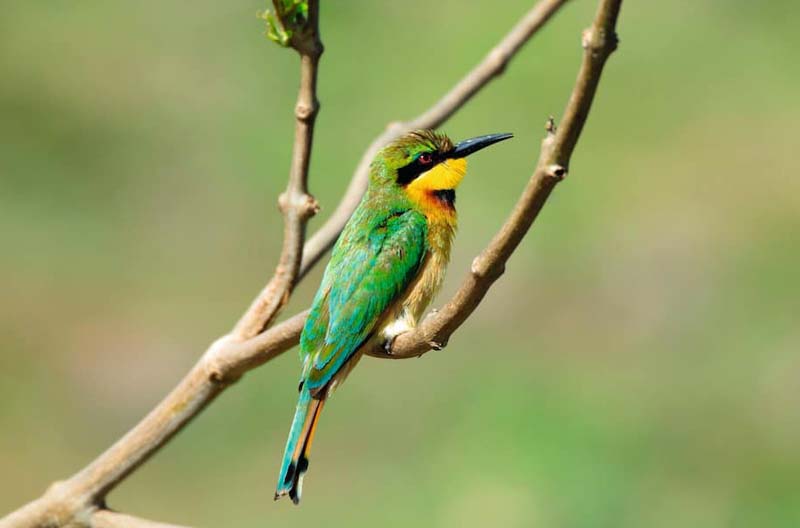
The Gambia is a small West African country, bounded by Senegal, with a narrow Atlantic coastline. It’s known for its diverse ecosystems around the central Gambia River. Abundant wildlife in its Kiang West National Park and Bao Bolong Wetland Reserve includes monkeys, leopards, hippos, hyenas and rare birds. The capital, Banjul, and nearby Serrekunda offer access to beaches.
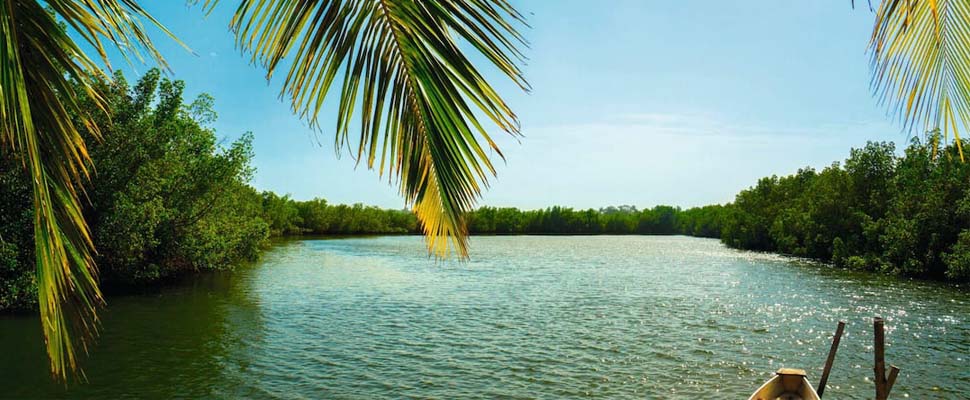
Gambia a country in West Africa
The Gambia,[a] officially the Republic of The Gambia,[8] is a country in West Africa. It is the smallest country within mainland Africa[9] and is surrounded by Senegal, except for its western coast on the Atlantic Ocean. The Gambia is situated on both sides of the lower reaches of the Gambia River, the nation’s namesake, which flows through the centre of the Gambia and empties into the Atlantic Ocean, and elucidates the long shape of the country. It has an area of 11,300 square kilometres (4,400 sq mi)[3] with a population of 1,857,181 as of the April 2013 census. Banjul is the Gambian capital and the country’s largest metropolitan area,[10] while the largest cities are Serekunda and Brikama.[11]
The Gambia is a very small and narrow country whose borders mirror the meandering Gambia River. It lies between latitudes 13 and 14°N, and longitudes 13 and 17°W.
The Gambia is less than 50 kilometres (31 miles) wide at its widest point, with a total area of 11,295 km2 (4,361 sq mi). About 1,300 square kilometres (500 square miles) (11.5%) of the Gambia’s area are covered by water. It is the smallest country on the African mainland. In comparative terms, the Gambia has a total area slightly less than that of the island of Jamaica.

Good to know
Country
Gambia
Visa requirements
British passport holders don’t need a visa to enter Gambia but must have a valid passport.
Languages spoken
English
Curency used
GMD: Gambian Dalasi
Population
2,051,363
Municipalities
The Republic of The Gambia is governed by a multi-party presidential system. The country’s current Constitution was adopted in 1997. In 2021, an attempt to enact a new Constitution did not go through because it did not meet the legal threshold of votes to pass in the national assembly. The president of the Republic is elected in a single-round process by universal suffrage for a renewable five-year term. The unicameral parliament consists of 58 members among which five are appointed by the president of the Republic. National assembly elections are held about four months after the presidential election. The current parliamentarians were elected in 2017 and the next election is scheduled to take place in April 2022.