

Morocco
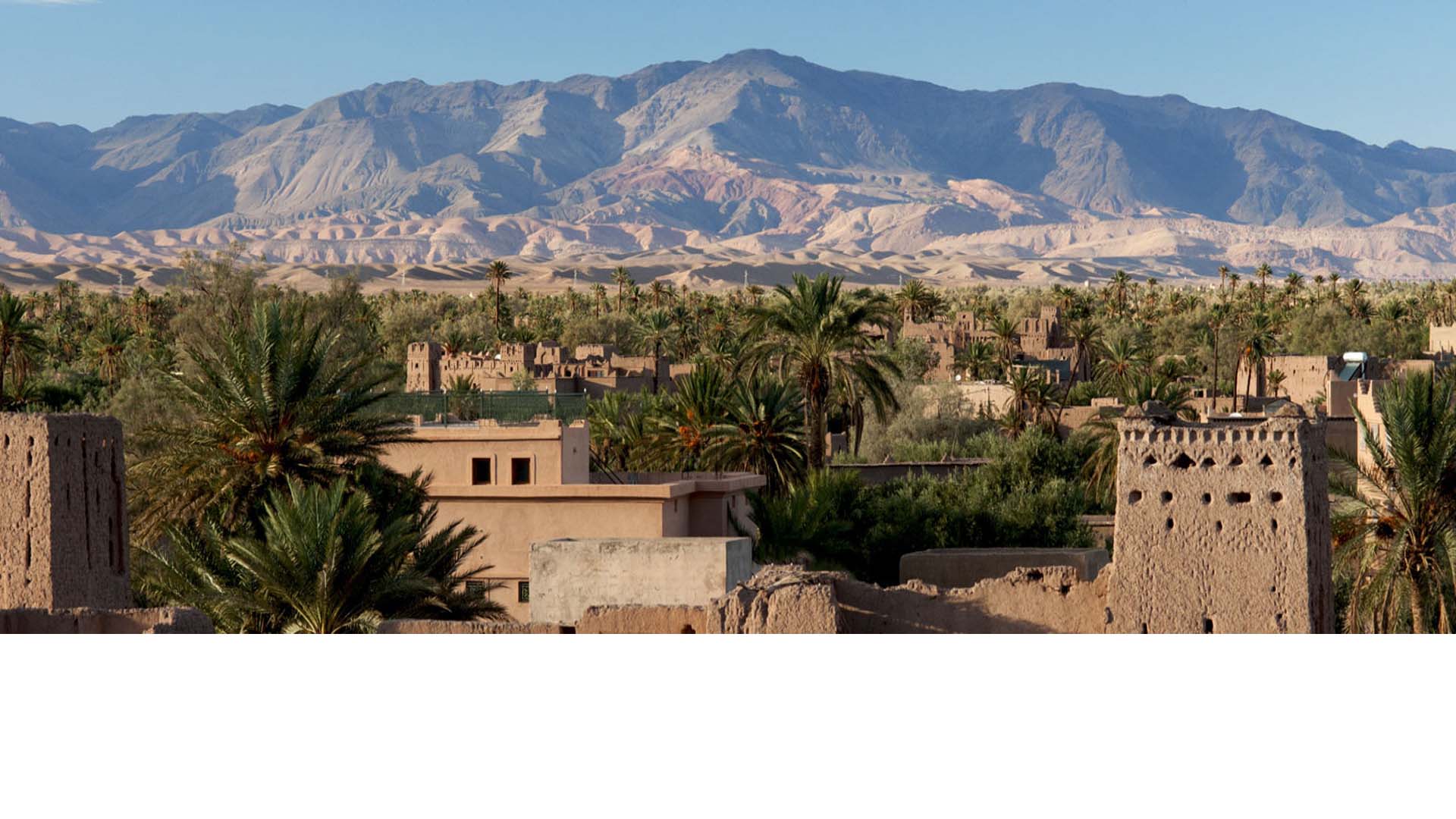
Morocco, a North African country bordering the Atlantic Ocean and Mediterranean Sea, is distinguished by its Berber, Arabian and European cultural influences. Marrakesh’s medina, a mazelike medieval quarter, offers entertainment in its Djemaa el-Fna square and souks (marketplaces) selling ceramics, jewelry and metal lanterns. The capital Rabat’s Kasbah of the Udayas is a 12th-century royal fort overlooking the water.
Culture of Morocco
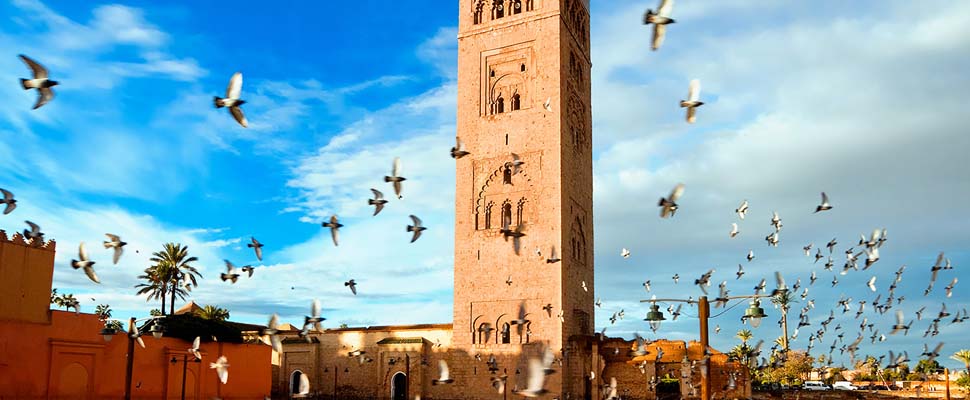
The culture of Morocco is a blend of Arab, Amazighs, Jewish, African and Western European cultures.[1] It represents and is shaped by a convergence of influences throughout history. This sphere may include, among others, the fields of personal or collective behaviors, language, customs, knowledge, beliefs, arts, legislation, gastronomy, music, poetry, architecture, etc. … While Morocco started to be stably predominantly Sunni Muslim starting from 9th–10th century AD, in the Almoravids empire period, a very significant old Jewish population had contributed to the shaping of Moroccan culture. In antiquity, starting from the second century A.D and up to the seventh, a rural Donatist Christianity was present, along an urban still-in-the-making Roman Catholicism.[2][3] All of the cultural super strata tend to rely on a multi-millennial aboriginal Berber substratum still strongly present and dating back to prehistoric times.
The linguistic landscape of Morocco is complex. It generally tends to be horizontally diverse and vertically stratified. It is though possible to broadly classify it into two main components: Arab and Berber. It is hardly possible to speculate about the origin of Berber languages as it is traced back to low antiquity and prehistoric times.[4] The Semitic influence, on the contrary, can be fairly documented by archaeological evidence.[5] It came in two waves: Canaanite, in its Punic, Carthaginian and Hebrew historic varieties, from the ninth century B.C and up to high antiquity, and Arabic, during the low Middle Ages, starting from the seventh century A.D. The two Semitic languages being close, both in syntax and vocabulary it is hard to tell them apart as to who influenced more the structure of the modern Moroccan Arabic dialect.[6]
Good to know
Country
Morocco
Visa requirements
Visas are not required for visits lasting less than 90 days.
Languages spoken
Indonesian
Curency used
Moroccan Dirham
Area (km2)
446,300 km2
Municipalities
This is a list of municipalities (urban or rural communes), and arrondissements of Morocco, based on the 2004 census.
In 2009 a new administrative division of Morocco was adopted, creating 13 new provinces: Berrechid, Driouch, Fquih Ben Salah, Guercif, Midelt, Ouezzane, Rehamna, Sidi Bennour, Sidi Ifni, Sidi Slimane, Tarfaya, Tinghir and Youssoufia. Many municipalities and communes below are now part of these new provinces. The list below is not yet updated for this change.[1]